Opening Remarks by Governor Makhlouf at the Civil Society Roundtable
28 September 2026
Speech
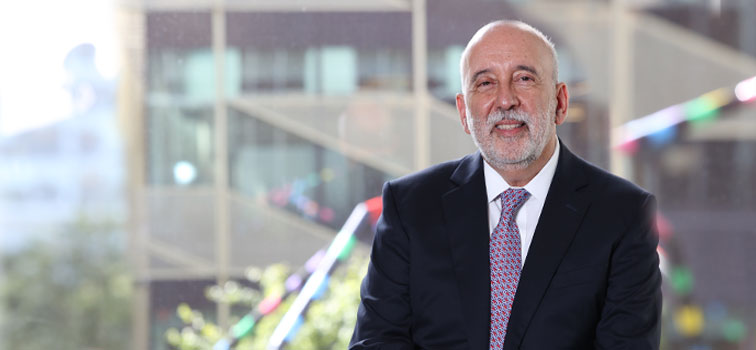
Good morning everyone, and welcome to North Wall Quay. It is good to see you all here.
These roundtables have become an important part of how we work at the Central Bank. You all bring perspectives that help us understand how the financial system works for people in practice, and where it may be falling short. Colm will say more about our engagement with civil society shortly, but I want to say at the outset how much I value the contribution you make.
I recently completed something I set out to do when I became Governor, visiting all 26 counties. Those visits reinforced for me that the economy is rooted in communities, and in the decisions that people, families and businesses make every day.
I saw the variety of economic activity that takes place across the country, from advanced manufacturing to creative industries. I heard common concerns too, particularly about housing and infrastructure, and the effect these have on businesses’ ability to recruit and retain people. Above all, I was struck by the skills and commitment of the people I met. Ireland’s economic success rests on that foundation. We cannot take it for granted.
This month, I began a new term as Governor, following the conclusion of my first seven years. It has given me an opportunity to reflect on the challenges ahead, and on the role the Central Bank can play in meeting them.
One is demographic change. People are living longer, and Ireland’s population is ageing. That raises questions about how our economy works, whether our education system is geared to give people the skills and training for a longer, healthier, working life and how our financial system serves people well at different stages of their lives.
Our founding legislation says that our “constant and predominant aim shall be the welfare of the people as a whole”. That is a useful test of our work. We need to ask whether the financial system is meeting people’s needs, including in areas such as housing and infrastructure, which came up repeatedly during my county visits.
We also need to think about resilience at the level of households and communities, as well as the economy as a whole. Recent inflation and cost pressures have not been felt equally. And climate change is part of that picture: the transition to a low-carbon economy will affect financial markets and bring both risks and opportunities. We need to understand what those changes mean for different people and communities.
And that starts by listening to people, whether they are in one of the 26 counties or in this room. What I hear today, alongside the views we gather through our wider engagement, will help inform my priorities and the Bank’s work in this new term.
Later this morning, Robert Kelly will take us through our September Quarterly Bulletin. I hope that will provide a useful backdrop to the issues we discuss together.
We are also developing our next strategy, for 2028 to 2032. You will hear more about that process towards the end of today’s session.
Being more open and engaged has been a central part of our current strategy. These roundtables are one expression of that commitment, and I want your honest views on how we should take it forward. What would make our engagement more useful to you and to the people you represent? What are we missing? Where could we do better?
Data and analysis are indispensable to our work but your experience helps us understand the people behind the numbers, and I hope you will speak candidly today.
We will publish a report summarising today’s discussion. The session will take place under the Chatham House Rule, so comments will not be attributed to individual speakers.
With that, I will hand over to Colm.