An economy rooted in community: what I’ve learned from visiting 26 counties
31 July 2026
Blog
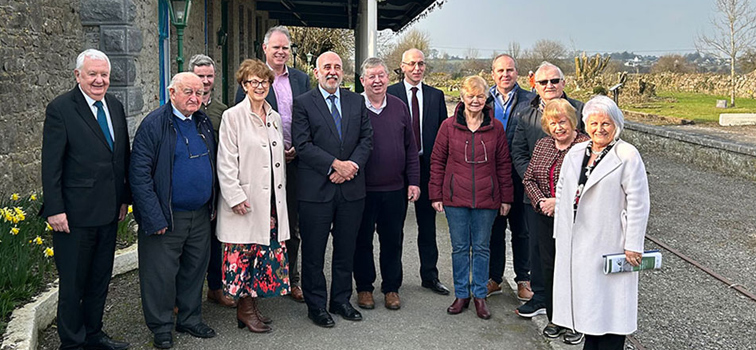
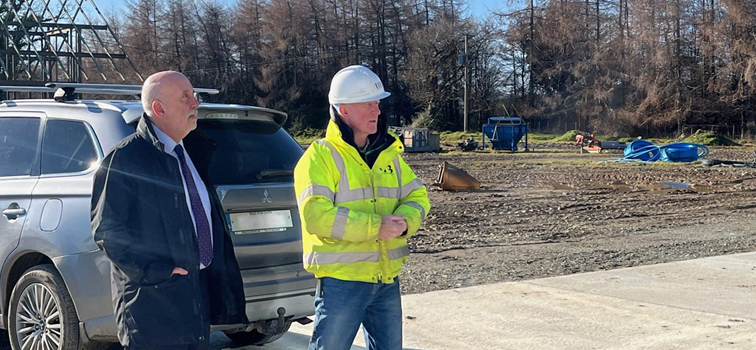
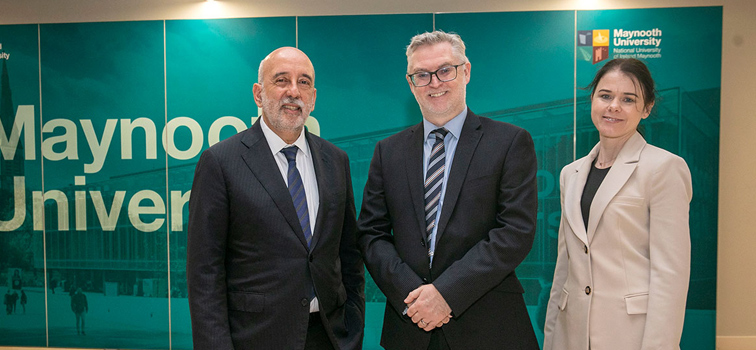
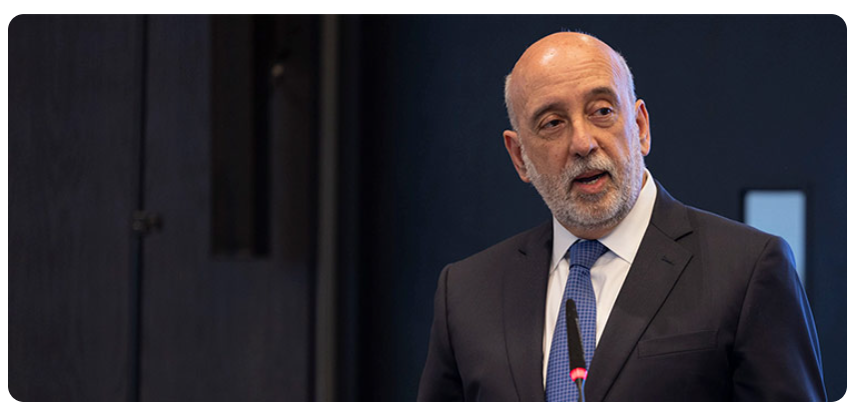 When I became Governor of the Central Bank in 2019, I set myself the goal of visiting every county in Ireland before the end of my term. I’ve now completed that journey, having visited all 26 counties (and also Belfast, where I joined Bank of England’s Governor Andrew Bailey to meet and listen to businesses there).
The purpose of these visits was simple: to listen. Understanding how an economy is working – and whether the financial system is operating in the best interests of consumers and the wider economy – requires good data and analysis. But it also requires engagement with the people, businesses and communities behind the numbers.
That engagement is an important part of how the Central Bank serves the public interest. It connects directly to the goal set out in our founding legislation: that the Central Bank of Ireland’s “constant and predominant aim shall be the welfare of the people as a whole”.
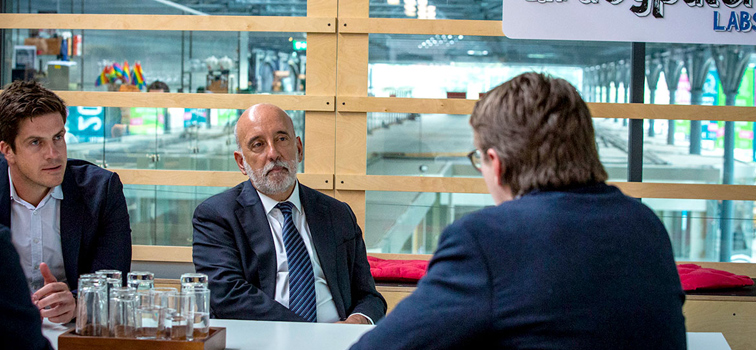
Outreach takes different forms and happens at all levels across the Bank. From industry fora, consumer and innovation hubs, to listening events with civic and community groups, to visiting businesses and to our research engagement programme. All of these interactions help inform our understanding of the economy and the financial system, and ultimately the decisions we make.
Having now completed my journey across the 26 counties, I thought I would use this blog to reflect on some of what I’ve seen, heard and learned along the way.
The journey
The word economy comes from the Greek for house or family (oikos) and management (nemein). So, originally a micro, or if we expand it a little, local concept. As economists, when we look at aggregate or macro fluctuations, such as changes in economic growth or the unemployment rate, we should always remember this "micro in the macro". Meeting with members of the public, businesses, community groups and students across the country reminds us of this.
My first visit was to Louth in October 2019 and took me through Kerry, Tipperary and Waterford before the pandemic hit. This year I’ve been to Carlow, Cavan, Laois, Leitrim, Longford, Monaghan, Sligo and Wexford. In between, I visited the other 14 counties once lockdown was behind us (although I did "visit" a number of Chambers of Commerce across the country via video during lockdown!).
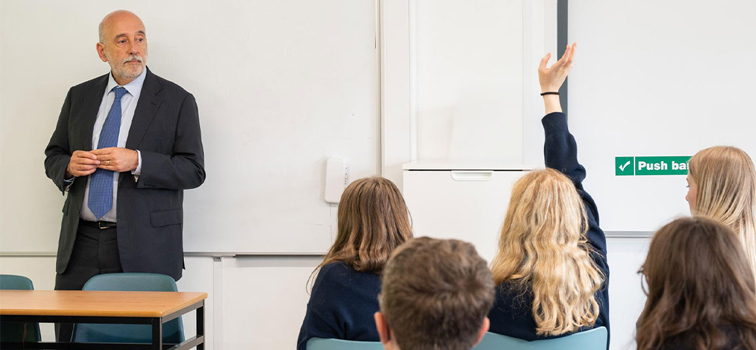
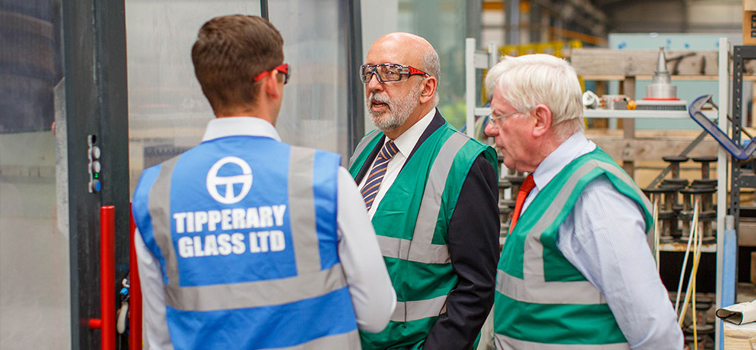
Each visit was different but also followed a broadly similar pattern of meetings with local Chambers of Commerce, other business groups (including the Women’s Business Network), visits with manufacturers and service providers both large and small, visits to universities and technological institutes and some schools, engagement with local enterprise offices and development companies, and conversations with community groups and charities. (And, yes, I also went to “the ploughing”!)
What I heard: a diverse and dynamic economy with common challenges
One of the most striking observations from these visits was the sheer variety and sophistication of economic activity happening right across the country. In both "urban and rural" settings (I’ll explain the quotation marks later), I heard about and watched high-tech manufacturing operations producing everything from life-saving medical devices to advanced engineering components. I met with businesses developing AI applications in manufacturing, a renewable energy and biochemical producer, others operating in hospitality, in fishing, in foreign exchange, in food, in the film industry, in agriculture, in brewing and in manufacturing data centres.
These are not isolated examples, and there were many others. Across the country, there are businesses operating at the forefront of their sectors. The talent and passion of those working in these businesses was evident everywhere, including in their investment in their local communities, in sponsoring local sports teams, supporting schools, and providing apprenticeships and training opportunities.
While the economic landscape varied, certain common themes emerged:
- Infrastructure bottlenecks were mentioned everywhere and addressing them should be a priority (as I explained in my letter to the Tánaiste earlier this year (PDF 3.24MB)). Businesses highlighted how housing shortages were restricting their ability to recruit and retain staff. This goes beyond just business growth, to community sustainability;
- Access to finance and banking services was mentioned by community representatives who spoke about financial inclusion challenges and the importance of maintaining access to cash and basic banking services. Interestingly, many of the businesses I visited, particularly smaller enterprises, had no debt and were entirely self-funded;
- Skills and recruitment. Third Level institutions are doing excellent work in developing graduate pipelines, but businesses across all sectors spoke about the challenge of finding skilled workers, not only technical skills, but soft skills, financial literacy, and adaptability were all mentioned as important;
- Cost pressures from energy to insurance to wages were a concern for businesses of all sizes. The impact of inflation on household budgets was also raised frequently, particularly by community groups and business networks who spoke about the challenges facing families and small enterprises.
A special mention for the many students I met at universities and institutes of technology across the country, all of whom gave me great confidence in Ireland’s future. Their questions – sometimes triggered by my annual letter to students of economics – were thoughtful and engaged, covering everything from monetary policy and inflation to career opportunities in financial services and the future of digital currencies.
What I learned
Ireland's economic success – whether in sophisticated manufacturing and services, globally impactful creative industries, or an agricultural sector exporting worldwide – is built on the quality of people, their skills, abilities and commitment to their communities and their work.
But the economy’s resilience cannot be taken for granted, and for our work at the Central Bank, some key lessons stand out in this respect.
First, price stability is a priority. Cost of living and cost of inputs concerns were top of many consumers’ and firms’ concerns. This talks directly to the importance of the Central Bank’s price stability (inflation) mandate. And, when unexpected shocks do happen, how best to support households and businesses. In my advice to the Government, I have highlighted the need for cost-of-living or energy supports to be targeted at the most vulnerable, to be temporary in order avoid fuelling medium-term inflation, and to be tailored to the specific situation so to ensure efficient use of public resources. There is also a longer-term resilience point: Ireland’s 80 per cent share of imported energy – an outlier in EU terms – leaves households and businesses acutely vulnerable to geopolitical tensions. To safeguard the economy, rapid, systemic delivery of renewable energy supply should be an imperative.
Second, infrastructure constraints are a brake on economic growth. When businesses tell us that infrastructure – be it in housing, energy, water or digital services – is constraining expansion plans, that is a macroeconomic issue, not just a local problem. My recent pre-budget letter highlighted the urgent need to address these constraints.
Third, the financial system must serve all parts of the country effectively. Our work on access to cash is informed by what we heard in rural communities about the importance of maintaining cash infrastructure. The Central Bank is committed to ensuring that cash remains available as a means of payment for individuals and businesses across Ireland. (You can find out more about the steps we are taking to achieve this on our website.) Our recently revised Consumer Protection Code was shaped by what we heard on our visits, on making mortgage switching easier, dealing with insurance renewals, standards of service in digital financial services, support in difficult times, and what to expect when you complain.
Fourth, financial literacy and inclusion remain critical. Conversations with community development activists, business networks, and student groups highlighted gaps in financial knowledge and access that need to be addressed through education and consumer protection work. These concerns are reflected in the revised Code, where we require high standards of clarity, disclosure and accessibility in all customer communications.
Fifth, and my explanation for the "quotation marks" above, the urban/rural distinction is too simplistic and should be avoided (at least when you’re trying to understand the economy; it’s OK to describe scenery). Some of the most impressive manufacturing I saw was in a "rural" setting while the infrastructure, access to financial services and skills challenges are present in both urban and rural areas
(I also learned that it can be a small world when I walked into one business that had purchased – at auction – some of the furniture from the old Central Bank building in Dame Street!)
Looking ahead
The economy is rooted in community, in the daily decisions and interactions of people, families, and businesses across the country. The Central Bank’s job is to ensure that the financial system supports those communities to thrive in a resilient economy.
As I approach the start of my second term as Governor, engagement across the country will continue to be a core part of how we operate across the Bank, from the senior leadership down. We are also expanding our engagement in other ways. Our consumer and innovation hubs provide ongoing opportunities for dialogue, our Research Engagement Programme brings together academics, policymakers, and practitioners and our Financial Industry Forum allows us to work with financial services firms on emerging challenges and opportunities.
I started these visits because I thought it was important for me to see and hear first-hand how the economy was working across the country. Having completed all 26 counties, I am even more convinced of that: data and analysis are indispensable to our work, but they are richer when combined with what we hear from the people behind them.
I want to thank everyone – from Killybegs and Letterkenny to Waterford and Midleton, from Dundalk to Tralee and from Castlebar to Rosslare, and many other places in between – who took the time to meet with me and share their views and experiences. From the business owners who opened their facilities to us, to the students who asked challenging questions, to the community representatives who shared their concerns and hopes, I’ve learned a lot from all of you.
Gabriel Makhlouf